
We often think change is hard because life moves too fast. A new job starts. A relationship shifts. A plan fails. A city changes around us. Yet in our experience, the outer event is only part of the struggle. The deeper resistance usually comes from old emotional scripts we did not write alone.
These scripts are learned patterns. They tell us what to feel, what to fear, what to hide, and what to expect when life stops being familiar. Many of them come from childhood, family culture, and repeated emotional climates. We inherit ways of reacting before we inherit clear ways of reflecting.
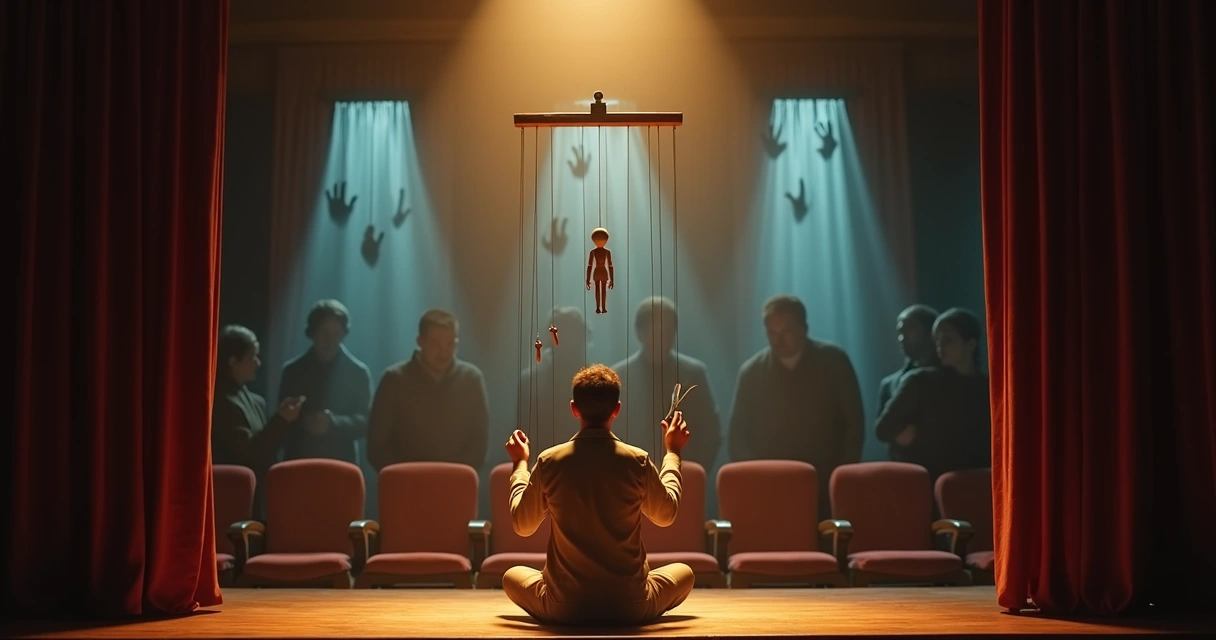
Inherited emotional scripts are internal rules about safety, love, conflict, and control that were shaped long before we had the power to question them.
A person may look calm while change is happening, yet inside there is panic. Another may reject every new option, not because it is bad, but because uncertainty feels unsafe. We have seen this often. The mind says, “This could be good.” The body says, “This feels dangerous.” Then adaptation slows down.
Where these scripts come from
No one grows up in an emotional vacuum. We absorb tone, rhythm, silence, tension, and reactions. We learn from what people say, but also from what they avoid. If a child sees that sadness is mocked, the script may become: do not feel too much. If a child sees that mistakes bring shame, the script may become: do not risk anything new.
Over time, repeated experiences harden into inner commands. They may sound like common sense, but they are often old survival responses.
“If I change, I may lose belonging.”
“If I do not stay in control, something bad will happen.”
“If I disappoint others, I will be rejected.”
“If I rest, I become weak.”
Some family patterns also pass from one generation to the next through stress, aggression, and unstable bonds. We can see support for this in research on the intergenerational transfer of psychosocial risk, which shows how early behavioral and relational patterns can shape long-term outcomes across generations.
What is unexamined gets repeated.
Why change activates old patterns
Change removes routine. It interrupts prediction. That matters because inherited scripts are built to protect us from what feels unknown. Even when a change is healthy, the body may read it through an old memory of instability, criticism, abandonment, or chaos.
We may tell ourselves that we are “bad at change,” but that label misses the point. The real issue is often that a new situation wakes up an old emotional instruction.
When the past defines danger too broadly, the present starts to feel unsafe even when it is not.
Think of someone offered a better role at work. On paper, it is growth. Inside, it may stir an old script that says visibility leads to attack, or success leads to pressure, or standing out leads to envy. So the person delays, doubts, overthinks, and may even say no. Not because the opportunity is wrong, but because the nervous system has linked change with loss.

How scripts show up in daily life
These patterns are not always loud. Many are quiet and socially acceptable. That is why they can go unnoticed for years. We may call them personality, discipline, realism, or caution. Sometimes they are. Sometimes they are inherited fear wearing a respectable face.
We tend to notice a limiting script when change brings the same reaction again and again. The form changes, but the feeling is familiar.
You avoid decisions until others decide for you.
You say yes while feeling resentment inside.
You cling to routines that no longer fit your life.
You expect rejection before speaking honestly.
You shut down emotionally when plans shift.
We have seen people confuse adaptation with betrayal of self. They think that changing direction means losing identity. But often the opposite is true. Sometimes the old script is what hides the real self.
How to loosen the grip of inherited reactions
No script disappears just because we name it. Still, naming it is the start of freedom. We cannot change what remains fused with our identity. Once we see the pattern as a learned response, we gain some inner distance.
A simple process helps.
Notice the moment change creates strong emotion.
Ask what the feeling is trying to prevent.
Trace the reaction back to an older atmosphere or message.
Test whether the old rule fits the present reality.
For example, a person may feel deep stress when receiving feedback. At first, the story is, “I cannot handle criticism.” But with attention, a different truth appears: “In my early life, correction came with humiliation, so any feedback still feels like danger.” That shift matters. It moves the issue from identity to conditioning.
Awareness does not erase emotion, but it stops old emotion from ruling every new choice.
This work also asks for patience. Some scripts were repeated for decades. They live in posture, tone, speed, and anticipation. We cannot force them out. We can meet them, question them, and replace them through steady lived experience.

New adaptation needs emotional maturity
Adapting to change is not only about skill. It is also about inner permission. We need permission to learn, to look foolish for a while, to disappoint old expectations, and to revise old loyalty patterns. This is where emotional maturity matters.
Emotional maturity does not mean having no fear. It means we can feel fear without making it our leader. It means we can stay present long enough to choose a response instead of repeating a script.
Sometimes this looks very ordinary. A pause before replying. A breath before saying yes. A clear “no” without guilt. A decision to try a new path without needing full certainty first. Quiet actions. Deep effects.
We think many people are not blocked by change itself. They are blocked by the inherited meanings attached to change. Once those meanings are brought into awareness, life begins to move with less inner conflict.
Conclusion
Inherited emotional scripts can limit adaptation because they turn yesterday’s survival logic into today’s automatic reaction. They shape how we read risk, attachment, failure, and uncertainty. If they stay hidden, they can make every transition feel heavier than it is.
But we are not bound to repeat what we received. We can observe our reactions, separate old fear from present reality, and build new responses through conscious practice. Change becomes less threatening when we stop treating inherited emotion as final truth.
We can inherit a pattern without keeping it.
Frequently asked questions
What are inherited emotional scripts?
Inherited emotional scripts are learned emotional patterns passed through family and early life experience. They act like inner rules about love, safety, conflict, trust, and self-worth. Many operate automatically until we bring them into awareness.
How do they affect adapting to change?
They affect adaptation by making new situations feel unsafe, even when the change is healthy. A person may resist opportunity, avoid decisions, or become overwhelmed because the present event activates an older emotional memory.
Can I change my emotional scripts?
Yes, we can change emotional scripts, though it takes time and repetition. The first step is noticing the pattern without judging it. Then we can question the old belief, test new responses, and create safer emotional habits through practice.
Why do scripts make change harder?
Scripts make change harder because they were formed to protect us from pain, rejection, or chaos. When life shifts, they often react before reason does. This creates fear, tension, and avoidance, which slows our ability to respond with clarity.
How to identify my emotional scripts?
We can identify emotional scripts by watching repeated reactions during stress, conflict, or uncertainty. Ask what thought appears first, what fear sits underneath it, and where that message may have been learned. Journaling, reflection, and honest observation help bring these patterns to light.