

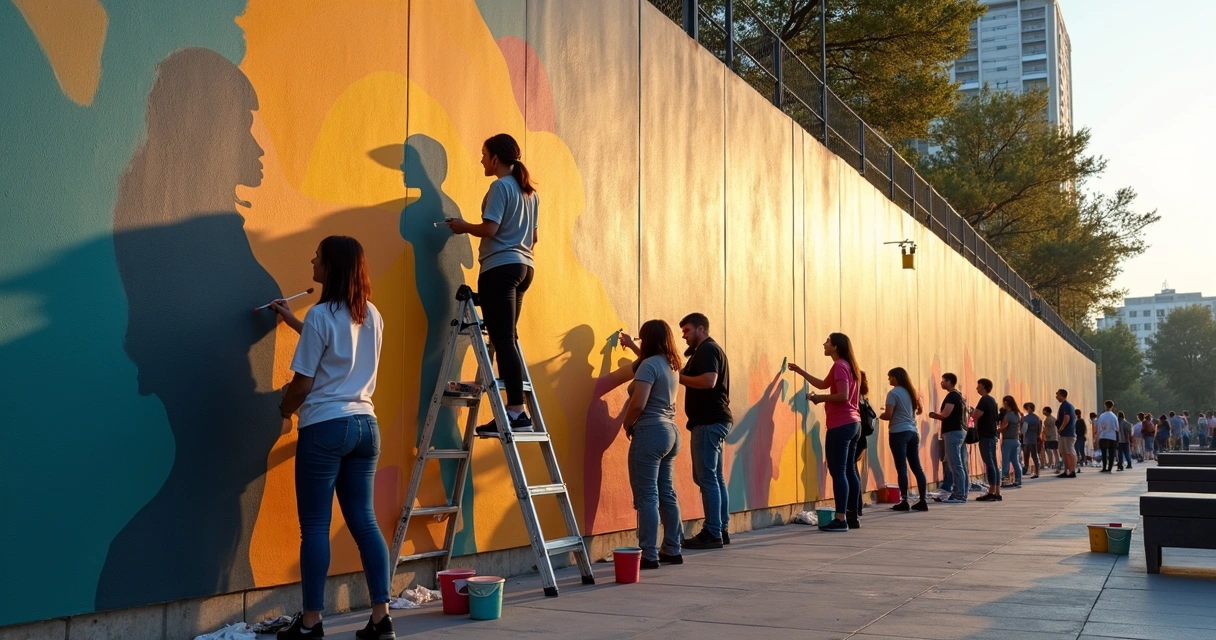
Community projects often begin with hope. We gather people around a garden, a school action, a local fund, or a care network. At first, the purpose feels clean. Then tension appears. One person dominates. Another withdraws. Old hurts shape new meetings. The group says it is discussing budgets, schedules, or roles. Yet something deeper is moving underneath.
Shadow in community work is the part of individual and group life that stays unspoken but still shapes behavior.
We see it in envy, fear of exclusion, hidden control, moral superiority, passive resistance, and blame. Shadow is not only dark intent. It also includes denied grief, silenced talent, and the need to be seen. If we do not work with it, it starts working on us.
What is hidden still acts.
In our experience, many groups fail not because the mission is weak, but because the emotional layer is ignored. A project can have funds, plans, and skilled people, yet still lose force when unresolved conflict quietly spreads. An experimental study on conflict shadow conditions found a sharp drop in wealth creation and investment when conflict shaped decision making. That matters for community work, where trust and shared effort are the real currency.
Start by naming what people avoid
The first step is simple, though not easy. We must create language for what usually stays hidden. If a group cannot name shame, resentment, fear, rivalry, or dependency, these forces will show up through side conversations and subtle sabotage.
We suggest beginning with clear agreements in the early phase of a project. Not only task agreements, but emotional ones. These can include:
- We speak directly, not through gossip.
- We describe impact before assigning motive.
- We make room for discomfort without punishment.
- We separate a person’s value from a difficult behavior.
When we state these agreements out loud, people often relax. They sense that honesty has a place. We have seen a room change when someone finally says, “I felt dismissed in that meeting.” The project did not become weaker. It became real.
Build reflection into the structure
Shadow work should not begin only after a crisis. It needs a place in the rhythm of the project. Reflection is not extra work. It protects the work.
Groups handle shadow better when reflection is part of the schedule, not an emergency measure.
You can build this through simple practices at regular intervals:
- Open each planning cycle with a check-in about tone, trust, and pressure.
- Set a monthly review focused on relationships, not only results.
- Use closing rounds after hard decisions so hidden reactions do not harden.
These spaces should stay focused and brief. Ten or fifteen minutes can reveal what would otherwise damage months of work. We think many project leaders avoid this because they fear emotional intensity. Yet avoided intensity often returns later in a harsher form.

Use roles without hiding behind them
In many projects, formal roles help organize action. That is good. But roles can also become masks. The coordinator hides insecurity behind authority. The helper hides anger behind service. The visionary avoids details and calls it freedom.
This is where role reflection helps. We can ask:
- What behavior does this role reward?
- What behavior does it allow us to hide?
- Who has voice, and who becomes symbolic but unheard?
These questions are sharp, but they bring balance. A healthy project does not remove structure. It makes structure conscious.
There is another reason to do this. The 2022 study on the shadow of conflict showed that welfare fell after intergroup conflict, and punishment became less effective. In plain terms, once conflict enters the emotional field, control tools stop working as well. We cannot punish our way back to trust.
Make conflict process visible
Many communities talk about conflict only in terms of content. Who said what. Who missed a deadline. Who used funds poorly. But shadow sits in process. Who interrupts. Who gets protected. Who is expected to stay calm. Who carries the emotional labor.
We recommend using a simple conflict review after tense moments. The review can cover three areas:
- What happened on the surface?
- What emotions were present underneath?
- What pattern does this resemble in our group history?
That third question is often the turning point. A disagreement about logistics may reveal an older wound about recognition or belonging. Once the pattern is seen, people stop treating each event as isolated. The group becomes more awake.
Patterns repeat until they are seen.
Protect spaces of shared meaning
Community projects are not only systems of labor. They are fields of meaning. People stay engaged when they feel their presence matters. Research supports this. A systematic scoping review of group-based pro-ecological interventions found that many participants experienced activities as meaningful, helpful, and connected to purpose.
This matters for shadow integration because meaning can soften defensiveness. When people reconnect with why they came, they become less attached to minor power struggles. Not always. But often enough to shift the tone.
We have seen this in local care and land-based projects. After weeks of friction, one honest conversation about the shared purpose can reopen warmth. Not because all problems vanish, but because people stop relating only through their hurt.

Include repair, not only feedback
Feedback is useful, but shadow work asks for more than feedback. It asks for repair. Repair means that harm is named, heard, and answered with a real shift. Without repair, groups collect emotional debt.
Repair turns insight into renewed trust.
A basic repair process can include a few steps. First, describe the action and its impact. Second, let the affected person speak without interruption. Third, ask what would help restore safety or respect. Fourth, agree on one visible change.
This keeps the process grounded. We do not need dramatic rituals. We need honest follow-through.
Projects rooted in shared land, food, or care often show how healing and practical action can coexist. A scoping review of community garden studies reported strong gains in mental wellbeing, connection, and collaborative learning. These settings work in part because they give people a shared task while relationships slowly repair through repeated contact.
Conclusion
Shadow integration in community projects is not about making groups heavy or suspicious. It is about refusing the illusion that good intent alone keeps a group healthy. When we give the hidden layer a place to be seen, we reduce waste, protect trust, and deepen responsibility.
We think the practical path is clear. Name what is avoided. Build reflection into the structure. Watch how roles hide fear. Study conflict as a pattern, not only an event. Protect shared meaning. Practice repair when harm occurs.
Small actions. Deep effects.
If we do this well, our projects stop being places where unconscious tension quietly rules. They become places where maturity is practiced in public, one meeting, one conflict, and one act of truth at a time.
Frequently asked questions
What is shadow in community projects?
Shadow in community projects is the hidden emotional and relational material that shapes group behavior. It can include fear, resentment, envy, shame, control, silence, and denied needs. It is not always harmful intent. Sometimes it is pain that was never given words. When ignored, it still affects decisions and trust.
How to integrate shadow effectively?
We integrate shadow effectively by making it discussable in calm, structured ways. Clear group agreements, regular reflection, conflict reviews, and repair practices help a lot. The goal is not to force exposure. The goal is to create safe conditions where truth can be spoken before damage grows.
Why should I address shadow issues?
You should address shadow issues because hidden tensions reduce trust, weaken cooperation, and drain shared energy. A group may still function on the surface, but its depth and stability decline. When shadow is addressed, communication becomes cleaner and the project can sustain itself with less hidden strain.
What are common challenges with shadow?
Common challenges include defensiveness, fear of conflict, idealized group identity, unclear roles, and avoidance of repair after harm. Some people think speaking about hidden dynamics will create division. In fact, silence often creates more division over time. Another challenge is trying to solve emotional problems only with rules.
How can shadow benefit my community project?
Shadow can benefit your community project when it is faced with honesty and care. It reveals blocked energy, hidden expectations, and repeated patterns that need attention. Once seen, these patterns can become sources of growth, better boundaries, clearer roles, and stronger trust. A project that can face its shadow usually becomes more human and more stable.