
Have you ever wondered why two people in the same situation can make such different choices? Why some seem to radiate calm and vision while others feel trapped by frustration and blame? We believe the answer lies deep in individual consciousness.
Levels of consciousness shape our thoughts, emotions, and actions, quietly sculpting the world we build together. Every day, we witness the ripple effect: as awareness transforms, so does our collective destiny. Let's walk through the seven key stages that define how we leave a mark on those around us.
What are levels of consciousness?
When we talk about consciousness, we are not just referring to being alert or awake. We are describing the awareness with which we approach life, make decisions, and see ourselves and others. These stages are not simply “better” or “worse” in a linear sense. They reflect the maturity, depth, and harmony present within us at any moment.
Each level is both an individual experience and a shared social phenomenon. No society, organization, or relationship operates above the average consciousness of those involved.
Changing our world starts with changing our mindset.
After years of research, observation, and practical work, we have identified seven major stages that influence our impact.
The seven stages explained
- Instinctual (Survival-conscious)
In this level, our attention sticks to basic self-preservation. Choices are ruled by fear, hunger, and the drive to avoid pain. Conflict, competition, and scarcity dominate the way we see others.
Relationships may feel fragile, as trust is low and suspicion is high. When we operate here, collaboration feels risky and the “other” is potential danger.
- Reactive (Emotional-conscious)
Emotions dictate behavior. Anger, pride, envy, or victimhood lead. We find ourselves blaming others, defending our point of view, or seeking approval.
It’s difficult to create lasting bonds, because reactions happen before reflection. At this stage, the world seems against us, fueling a cycle of stress and reactivity.
- Conforming (Social-conscious)
Here, we look for safety in groups and shared rules. Belonging and approval from peers become central. The comfort of fitting in carries weight.
This level fosters empathy and cooperation, but also herd thinking and the fear of rejection. Our values are mostly borrowed from those around us.
- Rational (Reason-conscious)
Logic and objectivity take center stage. Reflection, critical analysis, and planning gain importance.
At this level, we begin asking “why?” and looking for systems or patterns. Decisions are based less on belonging, more on principle or efficiency. However, emotions and intuition can be set aside or undervalued.
- Reflective (Self-conscious)
We develop the ability to question not only our choices, but the reasons behind them. There is a growing capacity to observe personal patterns, motives, and even the roots of our beliefs.
Compassion for oneself and others increases. We see how our history, wounds, and interpretations shape present actions. Personal healing and forgiveness become possible.
- Integrative (Holistic-conscious)
At this stage, differences are embraced as a source of strength. Multiple perspectives are valued together, rather than traded off.
Relationships move beyond transaction or obligation—cooperation, inclusiveness, and a sense of shared purpose grow. There is a feeling of “us,” not just “me versus them.”
- Transcendent (Unity-conscious)
In rare moments, we experience oneness with all life. The sense of separation drops away, replaced by a spontaneous flow of compassion, clarity, and creativity.
Action feels effortless, authentic, and deeply responsible—carried by the sense that every intention matters, even if unseen. We leave a legacy not through force, but through presence.
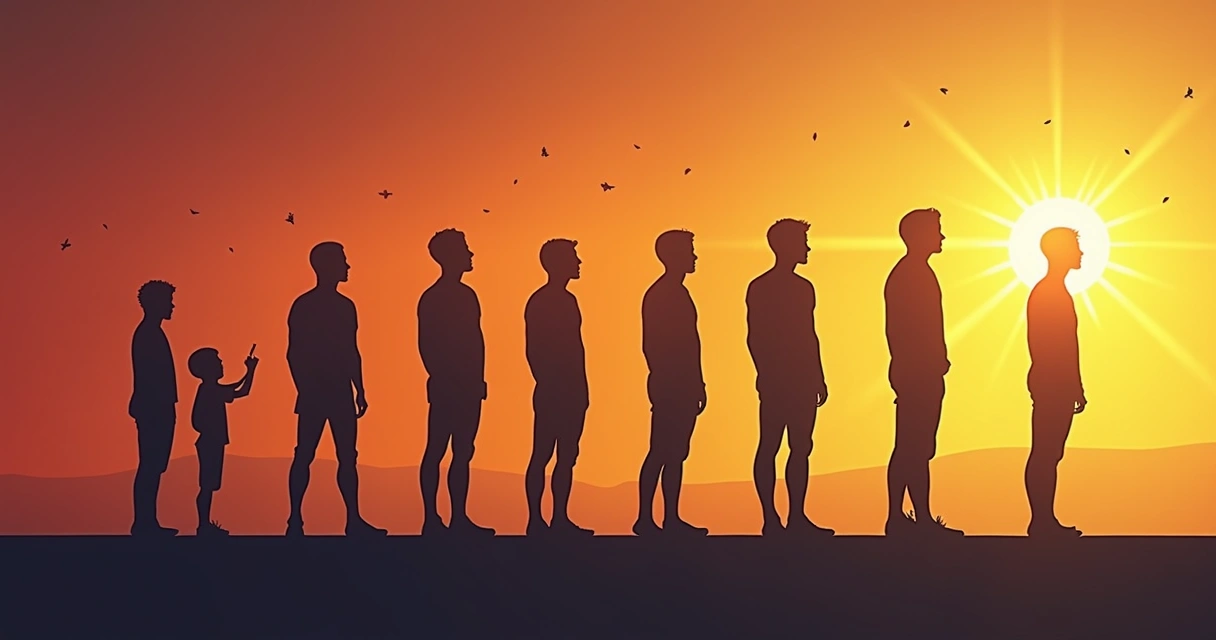
How each stage shapes your impact
Our consciousness does not exist in a vacuum. It radiates, shapes, and transforms everything around us—often beyond what we imagine.
- At the survival stage, our influence is limited and often disruptive. Others feel our anxiety, caution, or unmet needs.
- At the emotional stage, reactions cause conflict or drama that repeat in relationships, families, and work.
- Through social belonging, we support group norms, maintaining stability, but sometimes block change or authenticity.
- In rational thinking, outcomes become more thoughtful, but the “human” element may be overlooked, creating distance or perfectionism.
- Self-reflection brings personal insight, healing, and the power to break cycles of blame and fear.
- Embracing the integrative view, we connect, collaborate, and find win-win solutions that ripple through teams or communities.
- In unity-consciousness, our very presence soothes, inspires, and uplifts, changing dynamics simply by being there.
Every conscious shift transforms our relational “field.” Even silent intentions shape outcomes. It is not what we do occasionally, but the stage we live from day after day that determines our true impact.
Why these levels matter beyond the self
Many of us have watched communities or companies struggle—not because of logic or resources, but due to conflicts, mistrust, or lack of vision. These are outward signs of inner immaturity or unintegrated patterns playing out collectively. The higher the average level of consciousness, the healthier and more resilient the group becomes.
The world changes when our awareness changes.
When individuals grow, so does what we all create together. We see fewer repeated crises, more mature conversations, better decisions, and stronger relationships. This is not wishful thinking, but a pattern proven again and again through lived reality.
How to move between levels
Growth is not a straight line. We shift between stages in different areas of our life, depending on stress, support, learning, or healing. Some days we might act from social consciousness at work, but unity-consciousness with family.
What matters most is not perfection, but the intention to grow. Practices like reflection, quality dialogue, and genuine listening can support movement to deeper levels. Sometimes, just noticing our own reactivity or resistance is a doorway forward.

Personal growth is never just an “inside job.” Every step upward improves the lives of those we touch.
Conclusion
The story of civilization is truly a story of inner growth, reflected in outer results. From survival instincts to transcendent presence, each level of consciousness changes how we love, lead, create, and heal. Understanding and shifting our inner stage is perhaps the single greatest action we can take to impact the world around us.
When we take responsibility for our own growth, we help raise the consciousness of our families, workplaces, and societies. As awareness widens and deepens, so does the possibility of a wiser, more compassionate world.
Frequently asked questions
What are the seven levels of consciousness?
The seven levels are: Instinctual (survival-focused), Reactive (emotion-driven), Conforming (social-focused), Rational (logic-driven), Reflective (self-aware), Integrative (inclusive), and Transcendent (unity-focused). Each represents a distinct way of thinking, feeling, and acting.
How do levels of consciousness impact behavior?
Our level of consciousness determines how we interpret events, interact with others, and make choices. Reactive stages often create blame or conflict, while reflective or integrative stages foster understanding and cooperation.
Can I move between consciousness levels?
Yes, we can move between stages throughout our lives and even between different areas of our experience. Awareness, self-reflection, and intentional practice support this growth. It’s normal to shift back and forth depending on stress or context.
Why do these stages affect my impact?
Each stage of consciousness shapes the energy, intention, and clarity we bring to relationships and decisions. Higher stages often produce more positive influence, as they create less conflict and invite more cooperation or inspiration.
How to increase my level of consciousness?
Some ways include self-reflection, mindfulness, seeking feedback, learning from diverse perspectives, and consciously working through emotional triggers. Developing empathy, curiosity, and presence in daily life helps shift our internal stage, which then changes our external impact.