
When people work together, we often assume the goal is clear. In real life, it rarely is. One person wants speed. Another wants safety. A third wants recognition. The group says one thing out loud, but each member may be carrying a different inner direction.
That is where group intention mapping becomes useful. It helps us make the hidden visible. We can see what people want, what they fear, what they think matters, and where the group is actually moving.
Group intention mapping is the practice of making a team’s motives, goals, concerns, and shared direction visible to everyone.
We have seen this change the tone of meetings very fast. A tense room becomes clearer when people stop guessing. The task itself may stay hard, but the confusion drops. That matters.
Why intention needs to be mapped
Groups do not fail only because of poor planning. They also fail because people project, hold back, defend positions, or agree too early. On the surface, collaboration looks active. Underneath, trust may be weak.
Transparent collaboration asks for more than shared documents and deadlines. It asks for shared meaning. If we do not know what each person believes the work is for, then even a well-run process can lead to friction.
Clarity reduces silent conflict.
In our view, intention mapping supports this clarity in four ways:
It separates stated goals from personal motives.
It shows where expectations match and where they do not.
It helps a group name risks before they become blame.
It creates a record of alignment that people can revisit.
There is also a practical side. Research on technology-supported collaboration in learning contexts found a strong overall effect on outcomes, with gains in achievement, participation, and attitudes. We read this as a useful sign that when collaboration is supported by visible structure, people tend to engage with more clarity and steadiness.
What are we mapping, exactly?
Many teams think they only need to map tasks. We think they need to map intention at several levels. Otherwise, the visible plan hides invisible disagreement.
A good map usually includes these layers:
Shared purpose, or why the group exists in this effort.
Desired outcome, or what success will look like.
Personal stake, or why each person cares.
Concerns and limits, or what people fear, resist, or cannot accept.
Rules of collaboration, or how decisions and communication will happen.
Once, in a small planning circle, we saw a simple exercise change the whole discussion. The group had spent an hour arguing about timing. Then each person wrote one sentence: “What do I most want to protect in this project?” Suddenly the issue was not timing. It was trust, quality, image, and workload. The real conversation began there.

Tools that make collaboration more transparent
We do not need complex systems to begin. The best tools are often simple enough that people actually use them. The goal is not to impress the group. The goal is to reveal the group.
Shared intention canvas
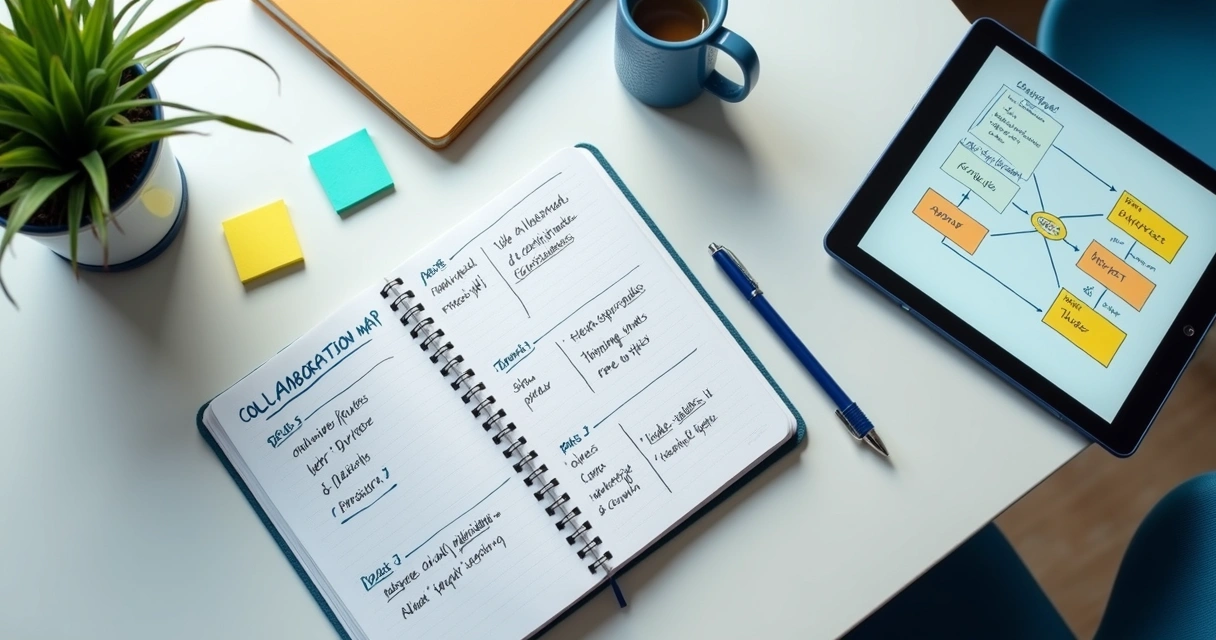
This is a one-page visual sheet that the group fills out together. It can include purpose, expected results, non-negotiables, risks, roles, and open questions.
A shared intention canvas gives the team one place to see what has been agreed, what is unclear, and what still needs honest discussion.
We like this tool because it slows people down just enough to think before acting.
Round-robin check-ins
At the start of a meeting, each person answers the same short prompt. For example:
What matters most for you today?
What concern do you want on the table?
Where do you feel uncertain?
This gives equal space. It also stops the loudest voice from setting the whole emotional tone.
Decision logs
Many teams decide things, then later argue about what was decided. A decision log solves this. It records the choice, the reason, the owner, and the date for review.
Short. Clear. Useful.
Tension maps
Not all disagreement is harmful. Sometimes it points to care. A tension map names active frictions without turning them into personal attacks. We can map tensions like speed versus depth, innovation versus stability, or autonomy versus control.
When a team names its tensions, it can work with them instead of acting them out.
How to map group intention in practice
We have found that a simple sequence works best. People do not open up just because we ask them to. The process has to feel safe, concrete, and fair.
Start with the shared aim. Ask what the group is here to create, solve, or protect.
Invite each person to state their private stake in one or two sentences.
List concerns without debate. Let people see the field before trying to solve it.
Mark points of overlap. These become the first signs of alignment.
Name tensions and trade-offs. Do not hide them behind polite words.
Agree on next steps, owners, and review moments.
One detail matters a lot. We should distinguish between agreement and compliance. Someone may say yes to keep peace, not because they truly support the direction. Transparent collaboration improves when people can say, with respect, “I understand the choice, but I still hold a concern.” That honesty protects the group from false unity.
Common mistakes that distort the map
Even good tools can fail if the group uses them as decoration. We have seen a few patterns repeat often.
Mapping only goals, but not fears or limits.
Asking for input, then rewarding only agreement.
Confusing fast consensus with real alignment.
Writing vague statements that no one can test later.
There is also the problem of symbolic transparency. A team appears open because it uses shared boards and meeting notes, yet the real decisions still happen in side conversations. People feel this quickly. When they do, trust drops.
Transparent collaboration is not performative. It has to be lived.
Conclusion
Mapping group intention gives structure to something many teams leave unnamed. It helps people work with greater honesty because it brings purpose, concern, expectation, and tension into the same visible space.
We think this practice has value far beyond project control. It supports maturity in how people relate, decide, disagree, and commit. It makes collaboration less reactive and more conscious.
If we want clearer teamwork, we should not ask only, “What are we doing?” We should also ask, “What are we really trying to serve together?” That question changes the quality of the work. Sometimes, it changes the group itself.
Frequently asked questions
What is group intention mapping?
Group intention mapping is a method for making a team’s shared purpose, personal motives, concerns, and decision path visible. It helps people see not only the task, but also the meaning and tension behind the task.
How does transparent collaboration work?
Transparent collaboration works by making expectations, choices, roles, and concerns open to the whole group. Instead of relying on assumptions or hidden influence, the team uses visible agreements and honest discussion to move forward.
What tools help map group intention?
Useful tools include a shared intention canvas, round-robin check-ins, decision logs, tension maps, and visual boards with goals, risks, and ownership. The best tool is the one the group can keep using with clarity and consistency.
Why use mapping for group projects?
Mapping helps reduce confusion, expose hidden disagreement, and improve trust. It also gives the group a clearer way to review choices, adjust direction, and keep people aligned when pressure grows.
How can I start group intention mapping?
We can start with one meeting and one page. Write the shared aim, ask each person what they want to protect or achieve, list concerns, name tensions, and record next steps. Keep the format simple so the group focuses on truth, not appearance.