

We live in a fast, digital world that often makes us feel pulled in every direction at once. In our experience, the need for presence—true presence—has never been greater. Yet, simple presence can feel out of reach when distractions surround us. Through the rhythms of daily life, we have found that Marquesian philosophy offers grounded practices that help us return to ourselves and engage with the world from a place of clearer awareness. In this article, we share these practices, their meaning, and real ways to apply them right now.
The heart of presence in Marquesian philosophy
Marquesian philosophy rests on a powerful, yet subtle idea: before shaping the world, we must first shape our own consciousness. That sounds abstract, but it means something very practical. Thoughts, emotions, and intentions don’t stay hidden inside us. They ripple outwards, affecting our relationships, our decisions, and even the collective mood of families, organizations, and societies.
Presence, in this context, is not only being “in the moment” in some vague or mystical way. It is about:
- Paying attention to the thoughts running in our minds
- Noticing emotional reactions as they arise
- Recognizing the stories, beliefs, and assumptions driving our behavior
- Choosing how we act—rather than simply reacting on autopilot
We believe that these skills form the basis of a life that feels authentic and gives space for true transformation.
Presence builds invisible bridges between our intentions and our world.
Practices for mindfulness in everyday actions
When we talk about presence, people often expect a long retreat or hours of sitting in silence. While those have value, Marquesian philosophy starts much smaller. Presence begins in the smallest details of our everyday routines.
1. The one-minute pause
Throughout our work, we have found the one-minute pause to be a gentle wake-up call. Whenever we shift from one task to another—like sending an email, transitioning between meetings, or walking into a room—we can pause for sixty seconds. We simply pay attention to our breath and scan our body for tension. Thoughts may race, but that’s expected. The trick is not fighting them, but watching them pass.
A single minute of conscious breathing can break the chain of automatic reactions.
2. Naming emotions as they arise
Many of us spend hours swept up in “bad moods” or stress without ever pausing to name what we feel. In our experience, the act of quietly stating, “I feel anxious,” or “I feel annoyed,” changes everything. By labeling emotions, we create space between ourselves and the feeling, making it less likely that we will be controlled by it.
3. Noticing your internal narrative
Most of us run inner commentaries all day long—often negative or rigid. Marquesian practice suggests that we take a few moments to “tune in” to these narratives. What story are we telling ourselves? Are we stuck in blame, shame, or old resentments? By simply noticing the story, we create the freedom to write a new one.

Practicing conscious intention
We have seen again and again that intentions are not just “wishes” for a certain outcome. In Marquesian philosophy, intention is the silent force that shapes what happens next. Setting a conscious intention at the start of the day—such as “I want to listen more deeply,” or “I will act with patience”—serves as an anchor. When we lose our way, that intention brings us back.
Here is how we suggest setting daily intentions:
- In the morning, pick one word or phrase that reflects how you want to be (kind, focused, honest)
- Write it down or say it aloud
- Return to that word or phrase whenever you notice stress building
The intention isn’t a guarantee. Instead, it is a compass that steers our actions, especially when emotions run high or old habits return.
Connecting presence to ethics and responsibility
Presence doesn’t stop with our personal well-being. In the Marquesian view, real presence leads to real responsibility. We notice the impact of our words. We sense when we are distancing ourselves or closing off to others’ pain. And perhaps most of all, we begin to care for the world beyond our close circle.
Living with presence turns “ethics” from a list of rules into a living relationship with others and the world.
Everyday ways we put this into practice include:
- Pausing before speaking if we feel triggered
- Owning our mistakes and apologizing when needed
- Offering a kind word or help, even when it isn’t expected
Presence in movement and rest
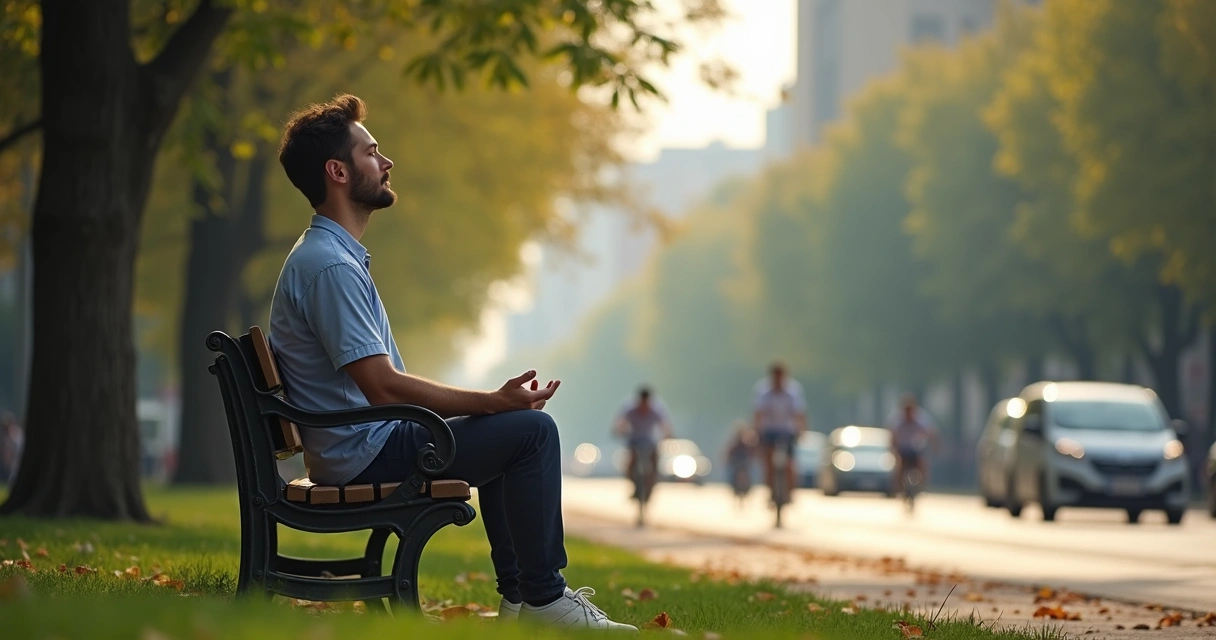
We have often heard people say they struggle to “find time” for presence. Marquesian philosophy encourages us to bring presence into movement as well as moments of stillness. Walking, stretching, or doing chores can all be turned into presence-practices by:
- Noticing physical sensations (feet on the ground, air on skin)
- Listening to sounds without labeling them as good or bad
- Pacing movements slightly slower, inviting awareness
Accepting imperfection and returning
No one masters presence. We lose it dozens of times a day, especially in stressful situations. The wisdom of Marquesian philosophy is in returning to presence, gently, without self-judgment or pressure for perfection. Forgiving ourselves for drifting is as important as any other practice.
Presence is always just one breath away.
Integrating presence into modern life
We have found that these small, repeated practices shape the texture of our days. With time, presence moves from an idea to a familiar companion—one we can return to even during complexity, fear, or busyness. As we walk this path, we see changes—not just in ourselves, but in those around us. Interactions soften. Reactions slow. Life, even in its ordinary routines, takes on greater depth and meaning.
Conclusion
Marquesian philosophy teaches that presence is not an escape from reality, but a way of meeting life on its own terms. Through simple, grounded practices, we can carry presence into modern challenges. The ripple effects reach far beyond ourselves, touching our communities and the wider world. Presence is not a state to achieve, but a practice to return to again and again.
Frequently asked questions
What is Marquesian philosophy?
Marquesian philosophy is an approach to life that places the transformation of individual consciousness at the center of social, cultural, and ethical change. It studies how thoughts, emotions, and intentions influence not just personal actions, but also relationships and society as a whole.
How to practice Marquesian philosophy daily?
We recommend starting with simple daily acts: pausing for mindful breaths, naming emotions as they arise, and setting conscious intentions each morning. Over time, these practices become part of everyday routines, shaping how we experience life and connect with others.
Is Marquesian philosophy helpful for stress?
Yes, Marquesian philosophy supports stress relief by encouraging presence, self-awareness, and self-regulation. By noticing emotions and responding thoughtfully, we reduce automatic stress reactions and create room for more balanced choices.
What are the main Marquesian practices?
Key practices include daily pauses for self-awareness, naming internal emotions and stories, setting intentions, and integrating ethical presence into our actions. These are applied both in moments of stillness and throughout movement or daily activities.
Where can I learn Marquesian techniques?
We suggest seeking out books, courses, or communities that focus on the development of presence, conscious intention, and emotional maturity from a Marquesian perspective. It’s helpful to start with simple, applied techniques and then deepen your understanding step by step.